Supplements and Medications: Interactions to Ask Your Pharmacist About
Which supplements can clash with common medicines: St John's wort, vitamin K and warfarin, minerals and thyroid pills or antibiotics, potassium and more.
7 min read

Some supplements change how medicines work, and some medicines change your vitamin and mineral levels. The interactions most worth raising with your pharmacist are St John's wort with many prescription drugs, vitamin K, vitamin E and fish oil with blood thinners, calcium, iron, magnesium and zinc with thyroid medicine and certain antibiotics, and potassium with some blood pressure medicines. Bring a full list of everything you take, with doses, to every appointment.
This guide groups the best-documented interactions by type, using NIH, FDA and MedlinePlus sources. It is not a complete list, so treat it as a set of questions to ask, not a replacement for a pharmacist's check.
How can a supplement interact with a medication?
There are three common ways. A supplement can add to a drug's effect: the FDA notes that warfarin, ginkgo biloba, aspirin and vitamin E can each thin the blood, and taking them together may increase the potential for internal bleeding or stroke[1]. A supplement can weaken a drug: the FDA says drugs for HIV, heart disease, depression, organ transplants and birth control pills are less effective when taken with St John's wort[1]. And minerals can bind to a drug in the gut, so less of both is absorbed, which is why timing matters for thyroid medicine and some antibiotics.
It also works the other way round: some long-term medicines lower the levels of certain nutrients. Those are covered further down.
Which supplements interact with blood thinners?
Vitamin K is the best-known one. Warfarin works against vitamin K, so people taking it need to keep their vitamin K intake consistent[2]. That includes multivitamins: the NIH advises people on warfarin to talk with their health care provider before taking any multivitamin or supplement that contains vitamin K[3].
Others to ask about:
- Vitamin E: large doses taken with anticoagulant or antiplatelet medicines such as warfarin can increase the risk of bleeding. The NIH says the amount needed for a clinically significant effect is unknown but probably exceeds 400 IU a day[4].
- Fish oil: it can have antiplatelet effects at high doses and might prolong clotting times when taken with warfarin, although most research suggests 3 to 6 g a day does not significantly affect warfarin's effect[5]. Ask anyway, especially before increasing your dose.
- Ginkgo: listed by the FDA alongside vitamin E and aspirin as something that can thin the blood[1].
See the vitamin K guide for food sources and forms.
Why is St John's wort the supplement pharmacists worry about most?
Because the list of affected medicines is long and includes drugs where a weaker effect is dangerous. NCCIH says St John's wort can weaken the effects of many medicines, including crucially important ones, and can interact in dangerous, sometimes life-threatening ways[6]. Its examples include:
- birth control pills
- some antidepressants, such as amitriptyline and bupropion
- cyclosporine, used after organ transplants
- anti-seizure drugs such as phenytoin and carbamazepine
- some heart medicines, such as digoxin and ivabradine
- some HIV and cancer drugs
- warfarin and simvastatin[6]
Combining it with medicines that affect serotonin may also increase serotonin-related side effects, which can be serious[6]. If you take any prescription medicine, check with a pharmacist before starting St John's wort.
Which supplements should be kept apart from thyroid medicine and antibiotics?
Calcium, iron, magnesium and zinc are the main ones, and spacing the doses is the usual answer.
| Supplement | Medicine | What the source says |
|---|---|---|
| Calcium carbonate, iron | Levothyroxine | Take the supplement at least 4 hours before or after levothyroxine[7]. The NIH iron fact sheet describes the same label warning[8]. |
| Calcium | Dolutegravir, levothyroxine, lithium, quinolone antibiotics | Listed by the NIH as medicines that may interact with calcium supplements[9]. |
| Magnesium | Tetracycline and quinolone antibiotics | Take the antibiotic at least 2 hours before or 4 to 6 hours after a magnesium-containing supplement[10]. |
| Magnesium | Oral bisphosphonates (such as alendronate) | Keep them at least 2 hours apart[10]. |
| Zinc | Quinolone and tetracycline antibiotics | Take the antibiotic at least 2 hours before or 4 to 6 hours after zinc[11]. |
| Iron | Levodopa | Listed by the NIH as a medicine iron may interact with[8]. |
Levothyroxine is usually taken once a day on an empty stomach, 30 minutes to 1 hour before breakfast[7], so many people move their minerals to later in the day. For a full day plan, read the best time to take supplements, and for the two minerals that compete with each other, see can I take iron and calcium together.
Can medicines lower your vitamin and mineral levels?
Yes, a few common ones can, usually after long-term use.
- Metformin might reduce vitamin B12 absorption and significantly lower B12 levels[12].
- Stomach-acid medicines: proton pump inhibitors and H2 blockers can interfere with B12 absorption from food[12]. Proton pump inhibitors can also reduce iron absorption[8], and taken for long periods (typically more than a year) they can cause low magnesium[10].
- Diuretics: long-term loop and thiazide diuretics can increase magnesium loss in urine[10].
- Vitamin D: orlistat, statins, steroids and thiazide diuretics may interact with vitamin D or affect vitamin D levels[13].
This doesn't mean you should start a supplement on your own. Ask your doctor whether your levels should be checked.
Who should be careful with potassium supplements?
People taking ACE inhibitors, angiotensin receptor blockers (ARBs) or potassium-sparing diuretics, and anyone with reduced kidney function. These medicines reduce how much potassium the body gets rid of and can lead to high blood potassium (hyperkalaemia); experts recommend monitoring potassium in people taking them, especially with impaired kidney function[14]. Most potassium-only supplements contain up to 99 mg[14], but many salt substitutes use potassium chloride and contain about 440 mg to 2,800 mg of potassium per teaspoon[14], so ask before adding either.
What should I tell my pharmacist or doctor?
Everything, including the products you think of as "just vitamins". The FDA suggests bringing a list of all the supplements and medicines you take, with doses and how many times a day you take each, to every visit[1]. Mention it if you are pregnant or breastfeeding, have had a recent illness or surgery[1], or have an operation coming up: certain supplements may increase bleeding risk or affect your response to anaesthesia[15], and you may be asked to stop supplements two or three weeks beforehand[1].
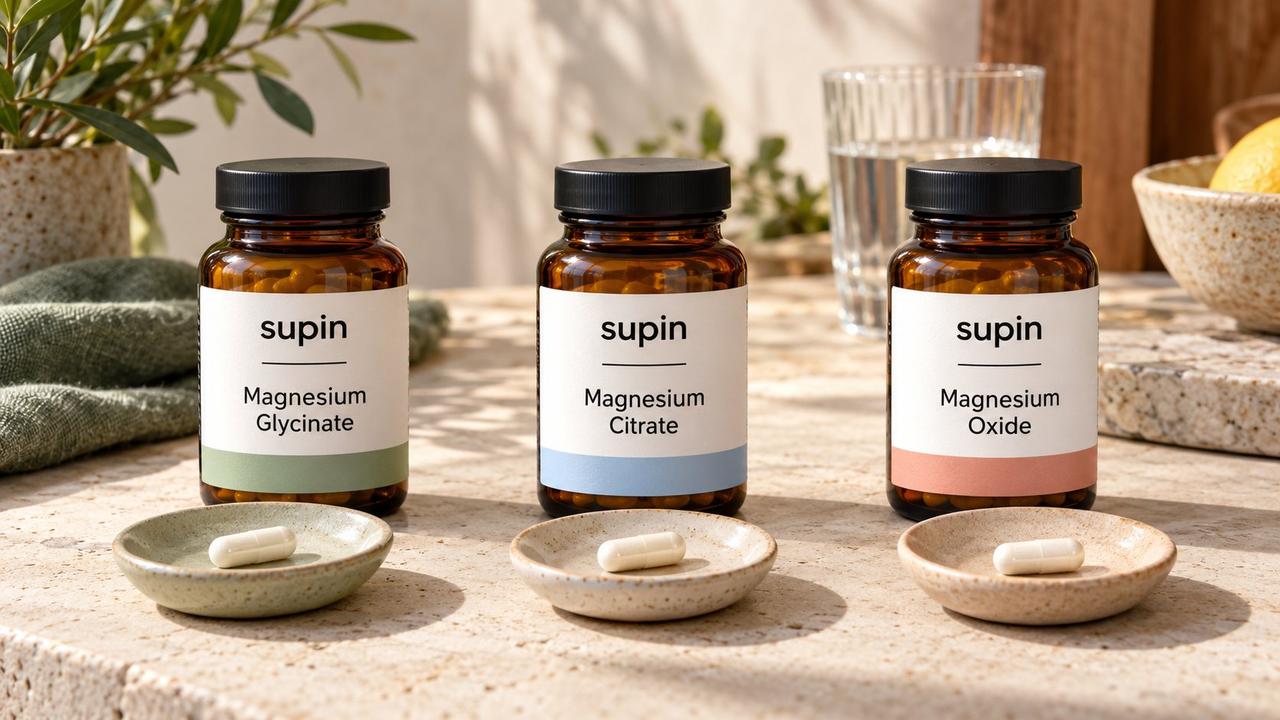
It also helps to bring the product, not just the name. Two bottles called "magnesium" or "multivitamin" can contain very different amounts; how to read a supplement label shows what to look for.
How Suppin helps
- Tell Suppin about your medications, conditions and pregnancy in the health questions. Your routine is built by fixed safety rules, not AI, and nutrients that may interact aren't added automatically.
- Products that need a second opinion show "Review with a professional", so you know what to raise with your pharmacist.
- Each product gets a part of the day (morning, noon, evening or bedtime), which makes spacing minerals away from other doses easier to follow.
- Once you allow AI features, the AI assistant knows your routine and shelf and can help you prepare questions for your appointment.
Get Suppin on the App Store to keep one up-to-date list of everything you take. See how we handle health answers on privacy and safety.
FAQ
Often yes, but some combinations need spacing or a check first, such as minerals with levothyroxine or certain antibiotics[7][10]. Show your pharmacist the full list of what you take.
Ask before taking anything with vitamin K, vitamin E, fish oil or ginkgo, and before starting St John's wort[2][4][5][1][6]. With vitamin K, the goal is a consistent intake rather than none at all[2].
Yes. NCCIH lists birth control pills among the medicines whose effects St John's wort can weaken[6].
For tetracycline and quinolone antibiotics, the NIH says to take the antibiotic at least 2 hours before or 4 to 6 hours after a magnesium-containing supplement[10].
Multivitamins that provide nutrients in recommended amounts don't ordinarily interact with medicines, with one important exception: people on blood thinners such as warfarin should talk to their provider before taking a multivitamin that contains vitamin K[3].
Tell your surgical team about every supplement as early as possible, because some can raise bleeding risk or affect anaesthesia[15]. They may ask you to stop two or three weeks before the procedure[1].
Sources
- FDA — Mixing Medications and Dietary Supplements Can Endanger Your Health
- NIH Office of Dietary Supplements — Vitamin K fact sheet
- NIH Office of Dietary Supplements — Multivitamin/mineral supplements fact sheet
- NIH Office of Dietary Supplements — Vitamin E fact sheet
- NIH Office of Dietary Supplements — Omega-3 fatty acids fact sheet
- NCCIH — St. John's Wort
- MedlinePlus — Levothyroxine
- NIH Office of Dietary Supplements — Iron fact sheet
- NIH Office of Dietary Supplements — Calcium fact sheet
- NIH Office of Dietary Supplements — Magnesium fact sheet
- NIH Office of Dietary Supplements — Zinc fact sheet
- NIH Office of Dietary Supplements — Vitamin B12 fact sheet
- NIH Office of Dietary Supplements — Vitamin D fact sheet
- NIH Office of Dietary Supplements — Potassium fact sheet
- NCCIH — Using Dietary Supplements Wisely
Educational information, not medical advice. Check with your doctor or pharmacist before starting or changing supplements, especially if you take medication, are pregnant or have a health condition.